The building is located in Cologne city centre, in the immediate vicinity of the cathedral.

Typologie Conversion, retail, local amenities, offices, residential, boarding house Construction volume GFA 14,940 m² Client Aachener Grundvermögen Architecture kadawittfeldarchitektur Study 2023 Start of planning 2024
The building is located in Cologne city centre, in the immediate vicinity of the cathedral.
The building complex stretches from Hohe Straße, where Media Markt is currently located, to Richartzstraße, home to the Minorite Church and the Museum of Applied Arts.
#Prototype for adapting to changes in city centres #Renovation of a retail property and conversion for mixed-use with offices and residential units
The largest building on Cologne’s main shopping street, where Media Markt has been selling electrical goods and household appliances for decades, is being renovated, expanded and converted into a sustainable mixed-use building. The aim is to strengthen the inner-city location and develop the existing building stock in a sustainable manner. In addition to high-quality retail shops on the ground floor and a local supplier in the basement, offices and apartments are being created on the upper floors, which benefit from the quiet, green inner courtyard.
With this construction project, the client is responding proactively to the transformation of city centres – away from monotypological shopping use and towards a 24/7 lively city centre with a wide range of offerings – and is setting an important, forward-looking development and upgrading impulse in Cologne’s city centre with this pilot project in the immediate vicinity of the cathedral.
Together with Schildergasse, Hohe Straße forms the centre of Cologne’s city centre. As one of the oldest continuously used shopping streets in Germany, it still has a small-scale, medieval structure. The project site is an exception in this regard. With a volume that occupies around three quarters of a street block and extends to Richartzstraße, it plays a special role in urban development. This special position is being used to advance the objective formulated in the City of Cologne’s mission statement of enhancing the central shopping axis in the long term.
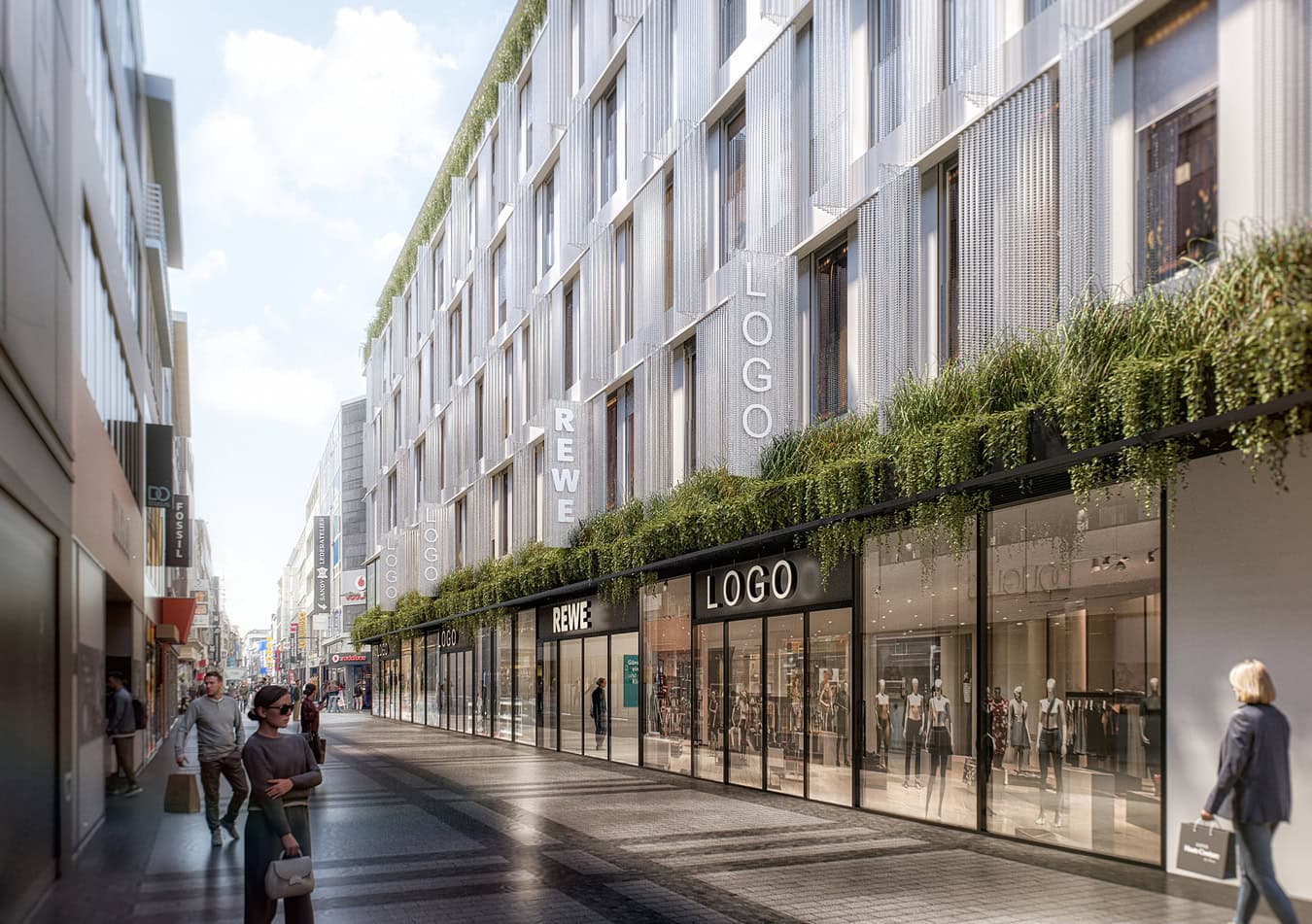
The façade clearly communicates the building’s transformation to the urban space.
The energy-efficient, contemporary façade reflects the building’s new overall identity in the urban space and enhances it. The mix of uses is clearly visible, and the large-format glazing creates a pleasant atmosphere in the adjacent streets, even in the evening hours.
With large, inviting shop windows, the retail spaces open up onto Hohenstraße and Minoritenstraße. A green canopy increases the visibility of the shops and offers attractive weather protection, while also structuring the façade and filtering the air.
The transparency of the façade continues on the upper floors, where perforated, floor-to-ceiling metal panels preserve privacy and create a striking address. A recess in the load-bearing columns along Minoritenstraße is used for balconies, and the façade is set back at this point.
The upper part of the building is formed by two new storeys in timber construction with a shingled sheet metal roof. The elevation brings the building into line with the new buildings in the immediate vicinity. Here, maisonette flats with balconies are being built high above Hohe Straße with a view of the cathedral.
Model studies on the impact in urban areas.

Previous use and previous appearance in the urban space on Hohe Straße.
The aim of the renovation and conversion was to continue using the supporting structure. Two storeys in timber construction will be added and selectively reinforced. The existing, uninviting natural stone façade will be demolished and replaced with a new, energy-efficient one, and the recessed column grid on the front will be used for balconies. The continued use of the building structure saves a significant amount of material and CO2 emissions.
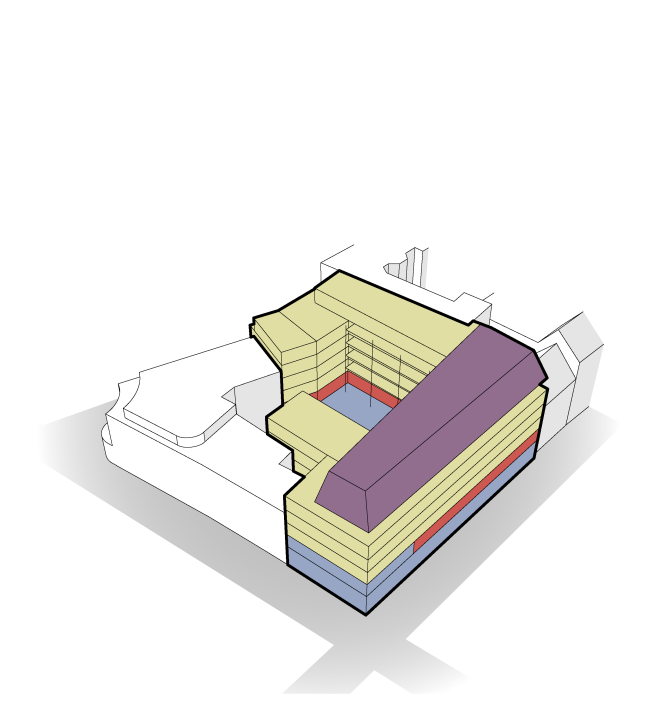
Instead of the previous single functionality, a diverse mix of uses is emerging.
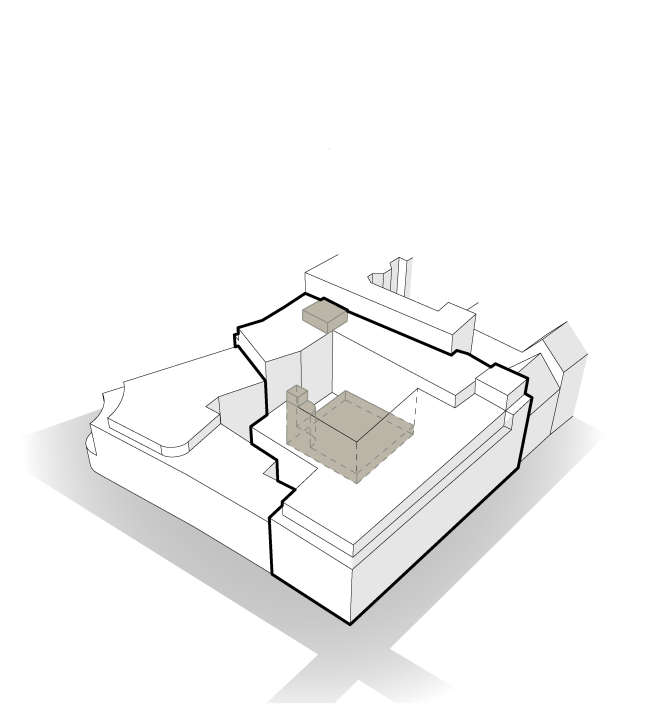
The demolition of the inner courtyard superstructure on the first floor improves natural lighting.
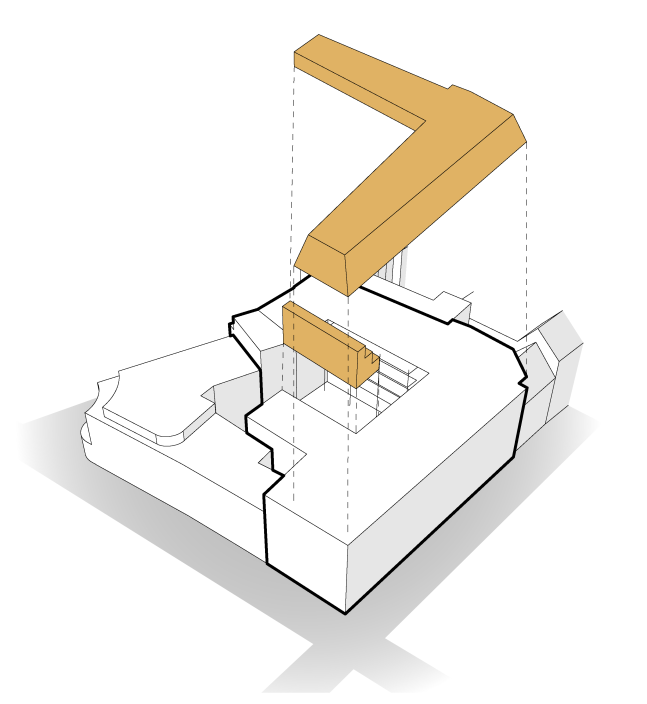
Additions in timber construction: maisonette flats in the attic and roof terraces surrounded by greenery.
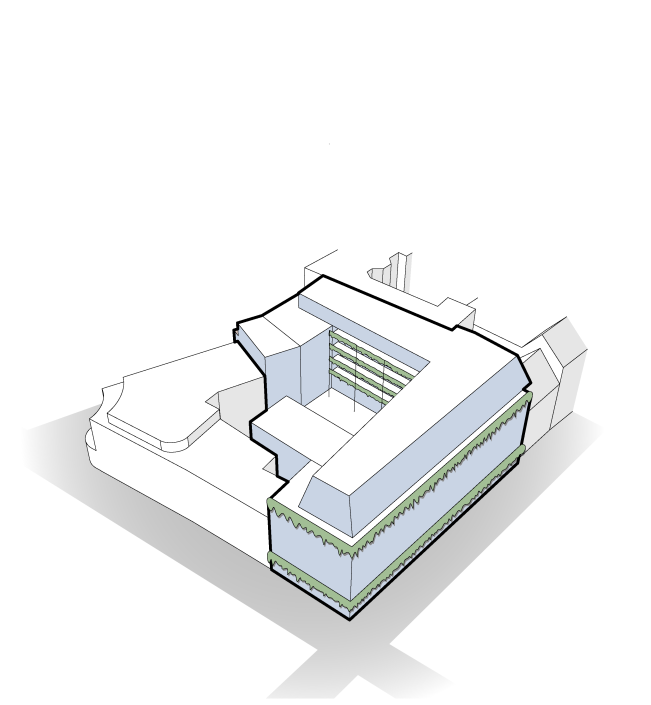
The façade reflects the new mix of uses and the sustainable renovation.
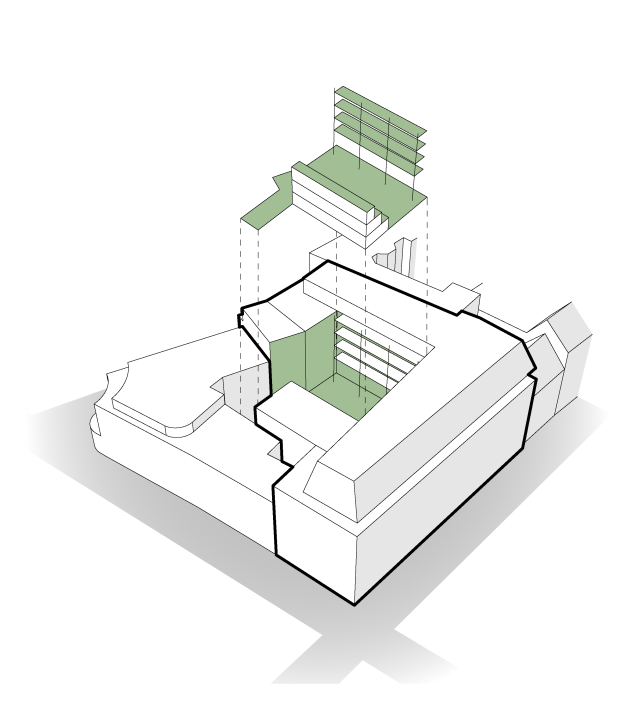
After partial demolition, the inner courtyard will be revitalised with new balconies, a stepped extension and greenery.
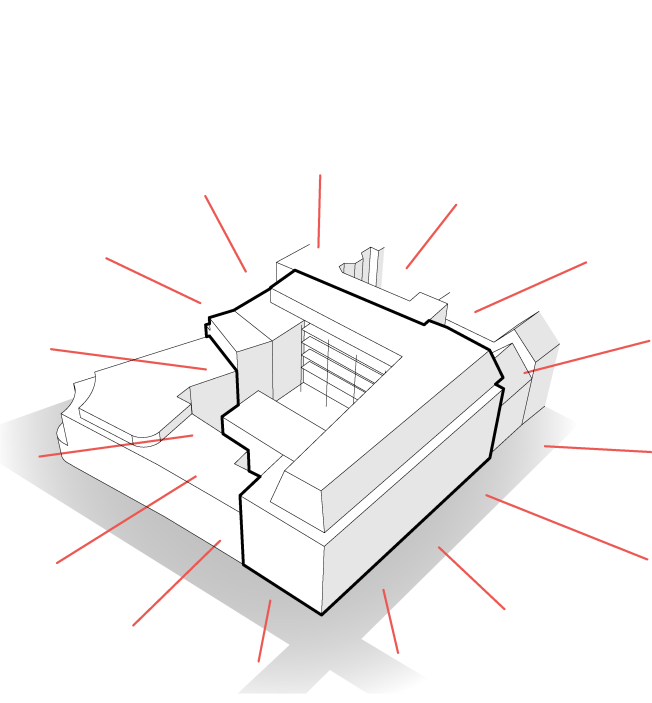
A pilot project with great potential is emerging.
Whereas closed-off façades previously created an uninviting street scene, large shop windows will in future offer sweeping views into the shops, enhance the surrounding urban space and encourage people to stroll along.
Section with inner courtyard
Mix of uses
A diverse mix of uses for the future of the city centre: small retail spaces on the ground floor support the location’s transformation into a high-end destination, while the grocery store in the basement ensures local supply for residents, thereby closing a gap in the market. The office space on the first floor can be flexibly divided into up to four units, and the apartments and maisonettes reinforce the transformation of the city centre into a 24/7 lively hub. The boarding houses are integrated into the existing structure with different room sizes. Balconies and roof terraces provide the apartments with attractive outdoor spaces.
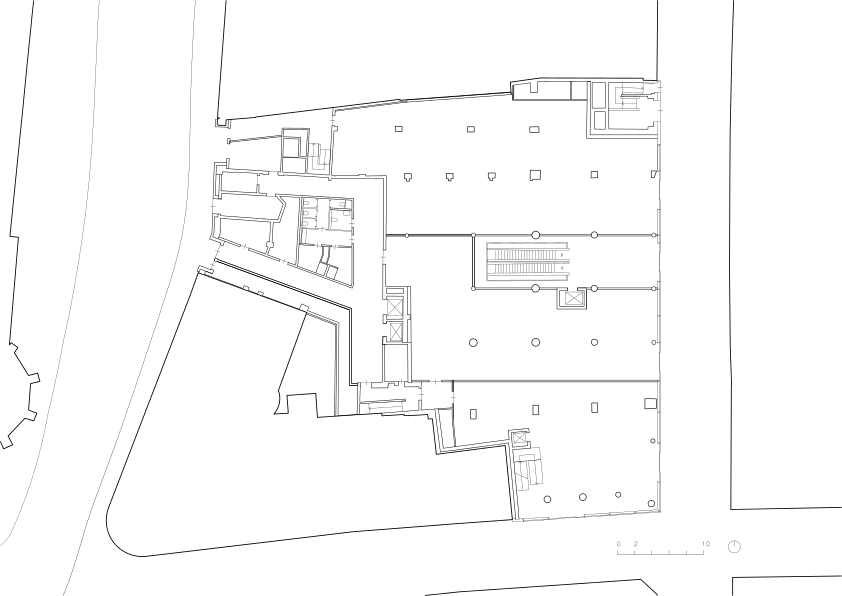
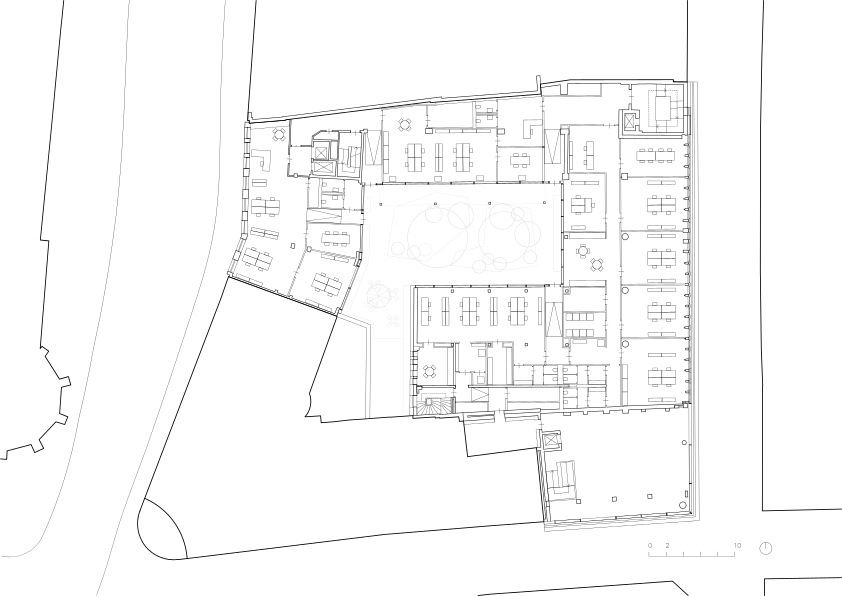
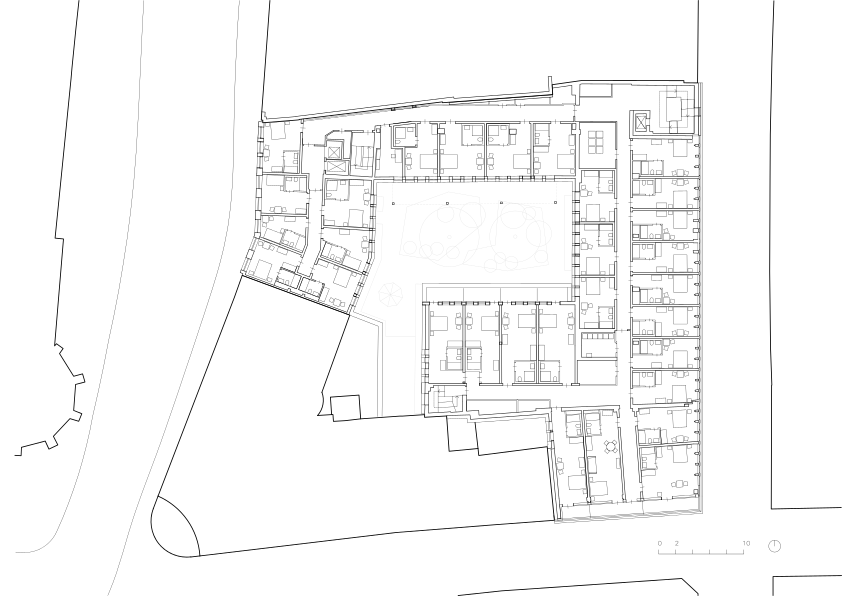
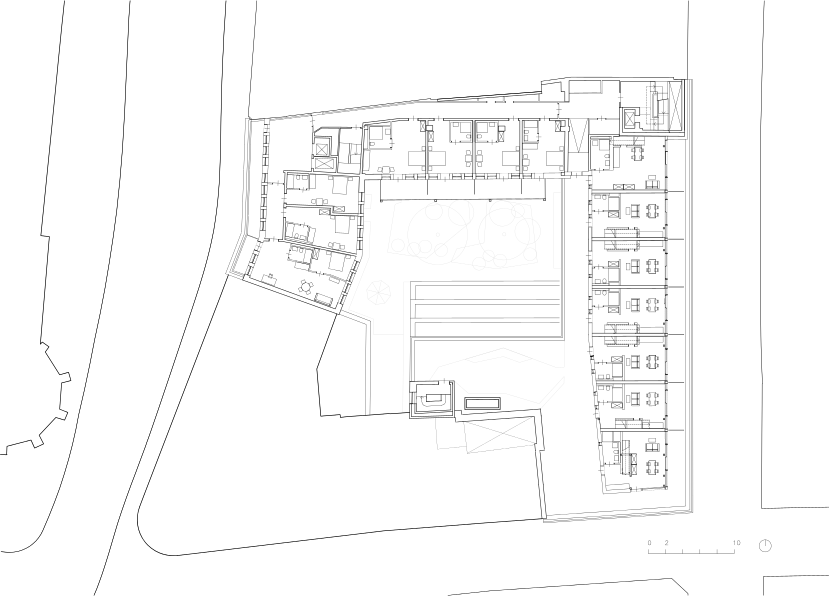
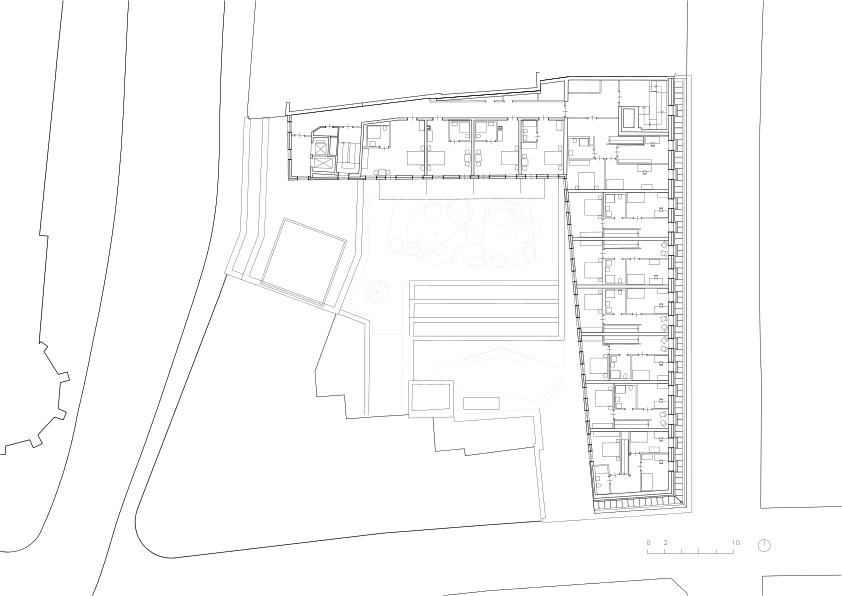
A central component of the design is the creation of a spacious, green inner courtyard that offers all users a high quality of stay. The existing superstructure on the first floor will be dismantled to optimise the lighting of the office floor. This will create a contiguous open space above the ground floor, which will be accessible from the offices as well as from the stairwells. It invites users to relax, socialise and work.
The flats open onto balconies and roof terraces facing the inner courtyard. A variety of native plants improve the microclimate and create an urban garden landscape.
The façade on Richartzstraße echoes the design elements of Hohe Straße and forms an appropriate counterpart to the Museum of Applied Arts and the Minorite Church. The ground floor houses the entrance to the apartments with a spacious foyer and the delivery area for the commercial spaces, while the apartments above open onto the street.
Facade Richartzstraße
Preserving and reusing the supporting structure significantly reduces the amount of materials used and the energy required. In addition, intact interior surfaces are also preserved where possible for sustainability reasons. The structures and extensions in the inner courtyard are made of solid wood.
Photovoltaic modules generate electricity and an air-water heat pump heats the building, while decentralised ventilation with heat recovery minimises losses.
The inner courtyard will be greened as much as possible, with ground-bound climbing plants on the façades and balconies and multi-stem trees in the interior. Dust and CO2 will be bound, biodiversity strengthened and the temperature cooled on hot days. The street-side greening also serves as noise protection.
A life cycle assessment will be carried out to document all measures.